Why is My Electricity Bill So High Suddenly? (5 Hidden Reasons)
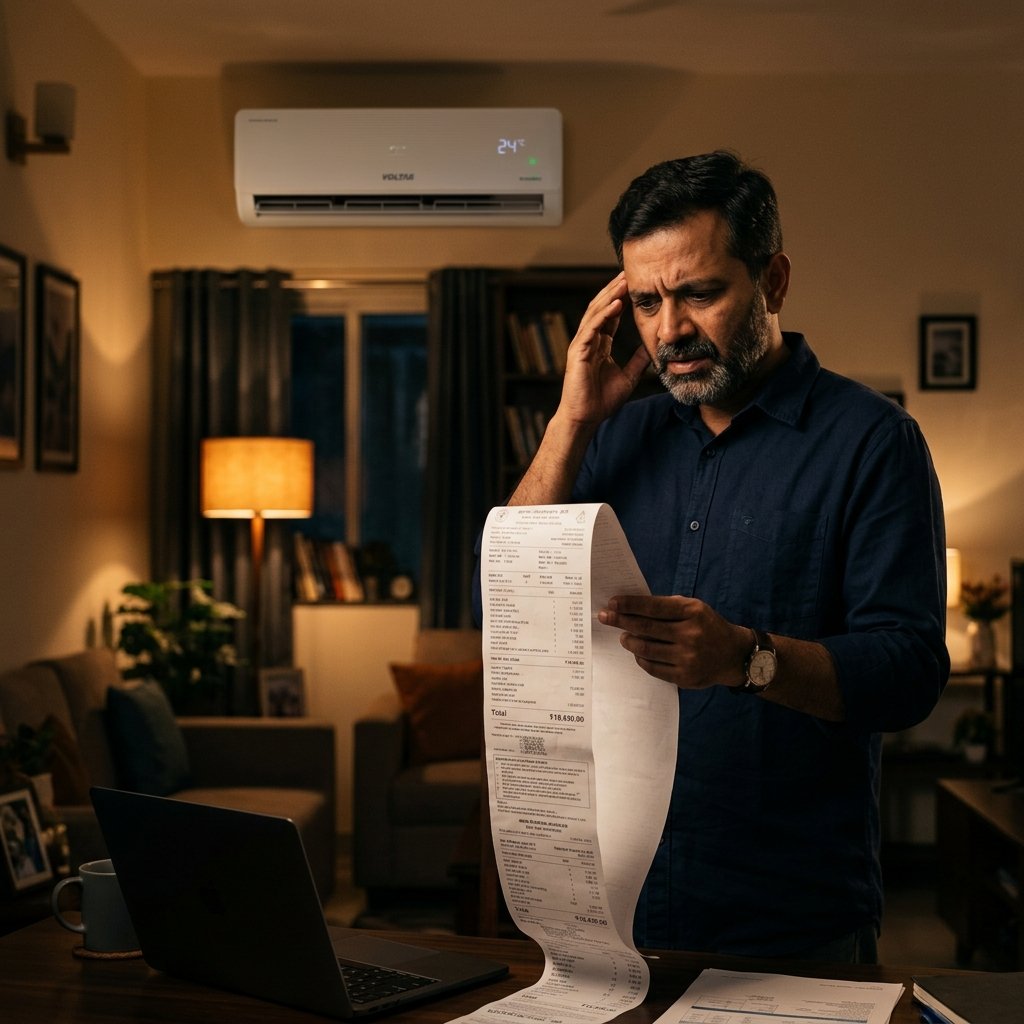
Opening your monthly electricity bill and seeing a massive, unexpected amount is a shock many Indian households face. You might think, "We didn't even use the AC that much, why is the bill suddenly double?"
A sudden spike in your electricity bill is rarely a mistake. It is usually a combination of the telescopic tariff slab system, hidden appliance consumption, or technical faults. In this guide, we will uncover the top 5 hidden reasons why your bill is skyrocketing and what you can do to fix it immediately.
Quick Answer
The most common reason for a sudden bill spike is that a seasonal appliance (like an AC or geyser) pushed your total units into a higher tariff slab. Other major culprits include old inefficient appliances (like 10-year-old fridges or fans), earth wiring leakage, or the provider averaging previous unread bills into your current month.
Key Takeaways
- Using just 10 extra units can jump your entire bill into a higher price slab.
- Old ceiling fans and refrigerators are silent power guzzlers.
- Phantom load (standby power) can cost you thousands of rupees a year.
- Wiring leaks can make your meter run even when the main switch is off.
Reason 1: You Jumped a Tariff Slab
In India, electricity is billed on a progressive slab system. The first 100 units are cheap, the next 100 are more expensive, and anything over 300 units is heavily taxed.
If your normal consumption is 290 units, you are paying a moderate rate. But if the summer heat makes your fridge work harder and you hit 310 units, those extra 20 units might bump your entire bill into a premium commercial-level slab rate, causing a sudden 30% spike in cost.
Reason 2: Aging and Unserviced Appliances
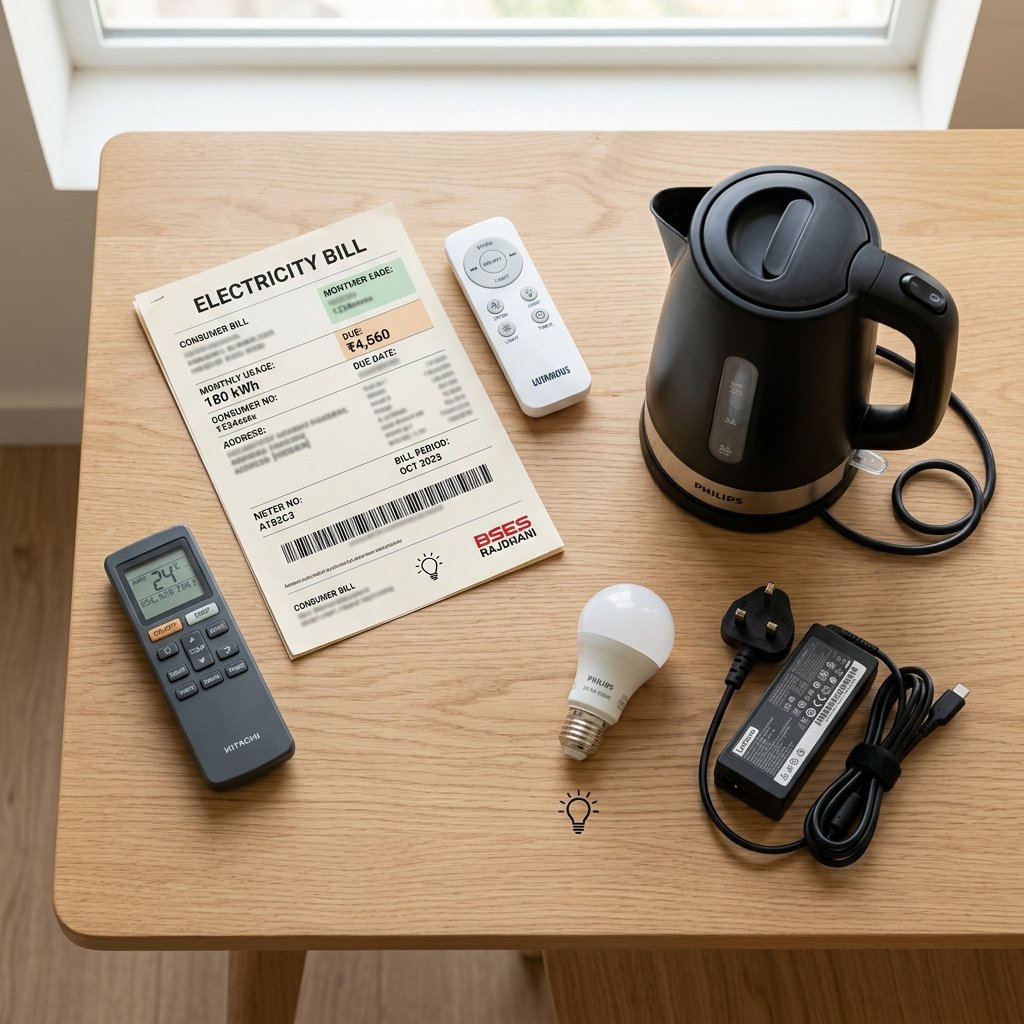
Appliances lose efficiency as they age. An AC that is 5 years old and hasn't been serviced will have clogged filters. Because it cannot breathe, the compressor runs 100% of the time, consuming double the electricity.
Similarly, an old refrigerator with a loose rubber door seal will constantly leak cold air. The compressor will never shut off, silently spinning your electricity meter 24/7.
Reason 3: Earth Leakage (Wiring Faults)
This is a hidden danger in older Indian homes. If your home's wiring has deteriorated, or if moisture has entered the conduits during the monsoon, current can leak directly into the ground.
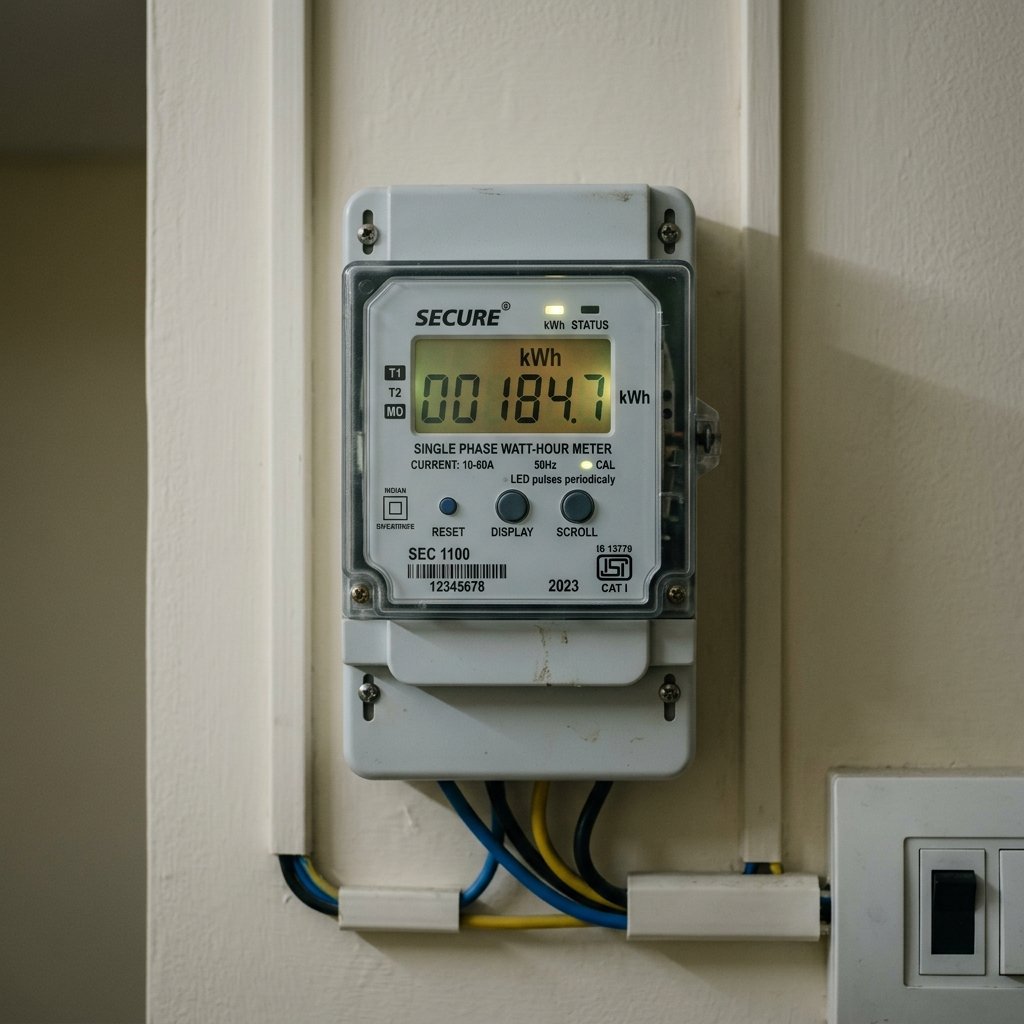
Your digital electricity meter will record this leaking current as "consumption." You are literally paying for electricity that is bleeding into the walls. How to test: Turn off every single switch in your house. Look at your meter. If the red light is still blinking rapidly, you have a leakage problem and need an electrician immediately.
Reason 4: "Estimated" or Averaged Billing Corrections
Sometimes, the meter reader from the electricity board cannot access your meter because your gate is locked. When this happens, the board generates an "Average Bill" based on your previous months.
If you used the AC heavily during that unread month, the actual units were not billed. The following month, when the reader finally checks the meter, all those unbilled units are lumped into the current bill, resulting in a massive shock.
Reason 5: Phantom Load (Vampire Power)
Many modern devices never truly turn off; they just go to sleep. Set-top boxes, WiFi routers, microwaves, and TVs turned off by remote continue to draw 5W to 15W of power constantly.
If you have 10 such devices plugged in 24/7, they can consume up to 30 units a month without you ever "using" them. Always turn off the wall switch.
What to do if you suspect a faulty meter?
If you have checked for leaks and your consumption hasn't changed, the meter might be faulty. Write a formal application to your local Sub-Divisional Officer (SDO) of the electricity board requesting a "Meter Testing." They will install a parallel check meter for 7 days to verify the readings.
Frequently Asked Questions
Why is my electricity bill so high this month?
The most common reason is increased seasonal usage (like running the AC in summer or Geyser in winter). Because of the progressive slab rate system, a small increase in usage pushes you into a much higher billing rate per unit.
Can a faulty meter cause a high electricity bill?
Yes. Sometimes digital meters become faulty and record consumption faster than actual usage. You can test this by turning off the main switch; if the meter still blinks or increments, it is faulty.
Do old appliances consume more electricity?
Yes, significantly. A 10-year-old refrigerator or a 15-year-old ceiling fan can consume almost double the electricity of a modern 5-star or BLDC equivalent.
What is phantom load?
Phantom load (or standby power) is the electricity consumed by devices like TVs, set-top boxes, and microwaves when they are turned off via remote but left plugged into the wall.
How do I dispute a high electricity bill in India?
You must file a formal complaint with your local DISCOM (like BESCOM, MSEDCL, UPPCL) and request a 'meter testing'. If the meter is found faulty, the excess amount is usually adjusted in future bills.
Can power leakage cause high bills?
Yes. If your home's wiring is old and the earthing is improper, electrical current can leak into the walls, causing your meter to record continuous consumption even when appliances are off.
Find Out Which Appliance is the Culprit
Use our free tool to calculate exactly how much money each of your appliances is costing you per month.
Use Appliance Cost Calculator