1 Unit Electricity Cost in UP (2026 UPPCL Tariff Guide)
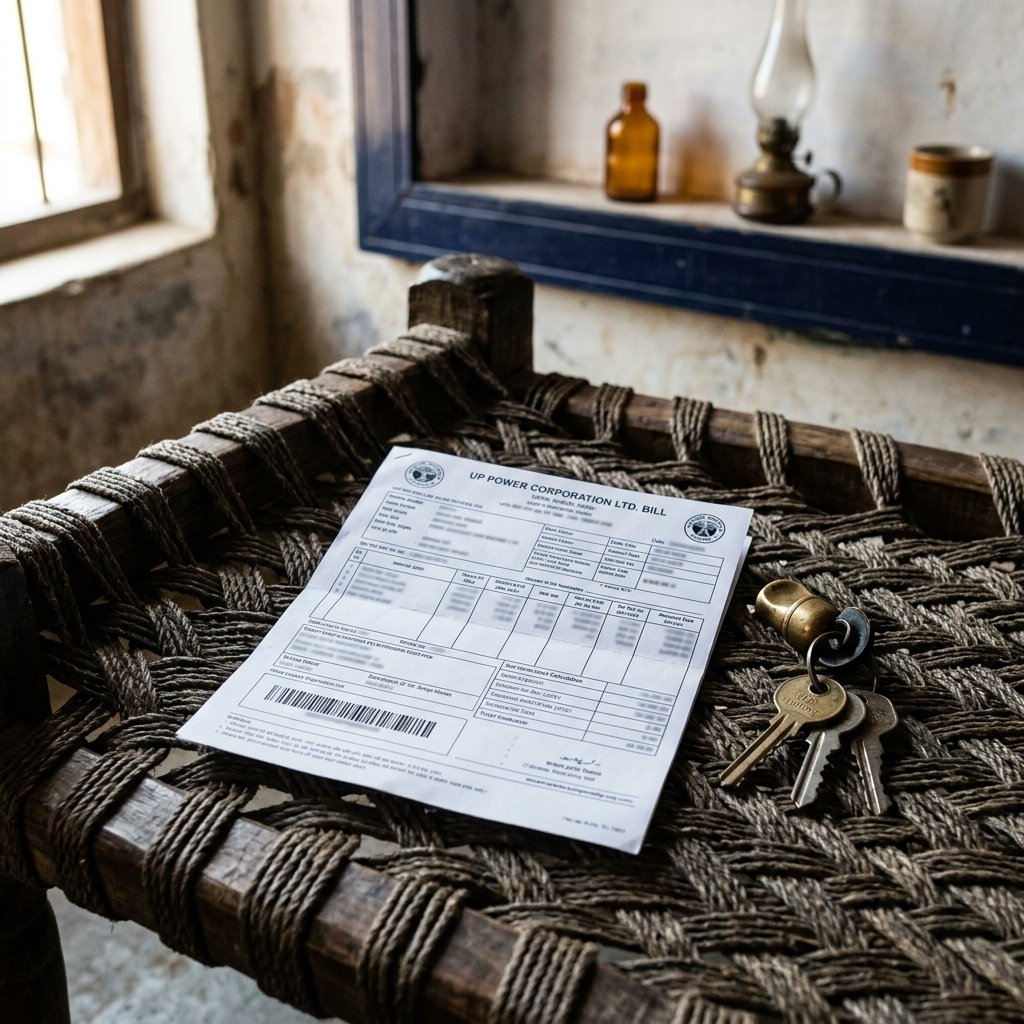
Uttar Pradesh (UP) is India's most populous state, and its electricity distribution is managed by the Uttar Pradesh Power Corporation Limited (UPPCL). Because UP consists of massive metropolitan hubs (like Noida and Lucknow) as well as vast rural districts, the electricity tariff structure is distinctly divided into Urban and Rural categories.
For the financial year 2026, the UP Electricity Regulatory Commission (UPERC) has decided to retain the existing tariff structure, providing relief to consumers. Let's break down exactly what 1 unit of electricity costs you in UP.
Quick Answer
In Urban UP, 1 Unit costs ₹5.50 for the first 150 units, and jumps to ₹6.50 for units above 300. In Rural UP, 1 Unit costs ₹3.35 for the first 100 units, and caps at ₹6.00 for units above 300. (Note: These are base energy rates and do not include the monthly Fixed Charges).
UPPCL Domestic Tariff Slabs (Urban - LMV-1)
If you live in a city or town municipal limit, you fall under the Urban Domestic category. You are billed based on the following slabs:
| Consumption Slab | Base Energy Charge (per Unit) | Fixed Charge (per kW / month) |
|---|---|---|
| 0 to 150 Units | ₹5.50 | ₹110 / kW |
| 151 to 300 Units | ₹6.00 | |
| Above 300 Units | ₹6.50 |
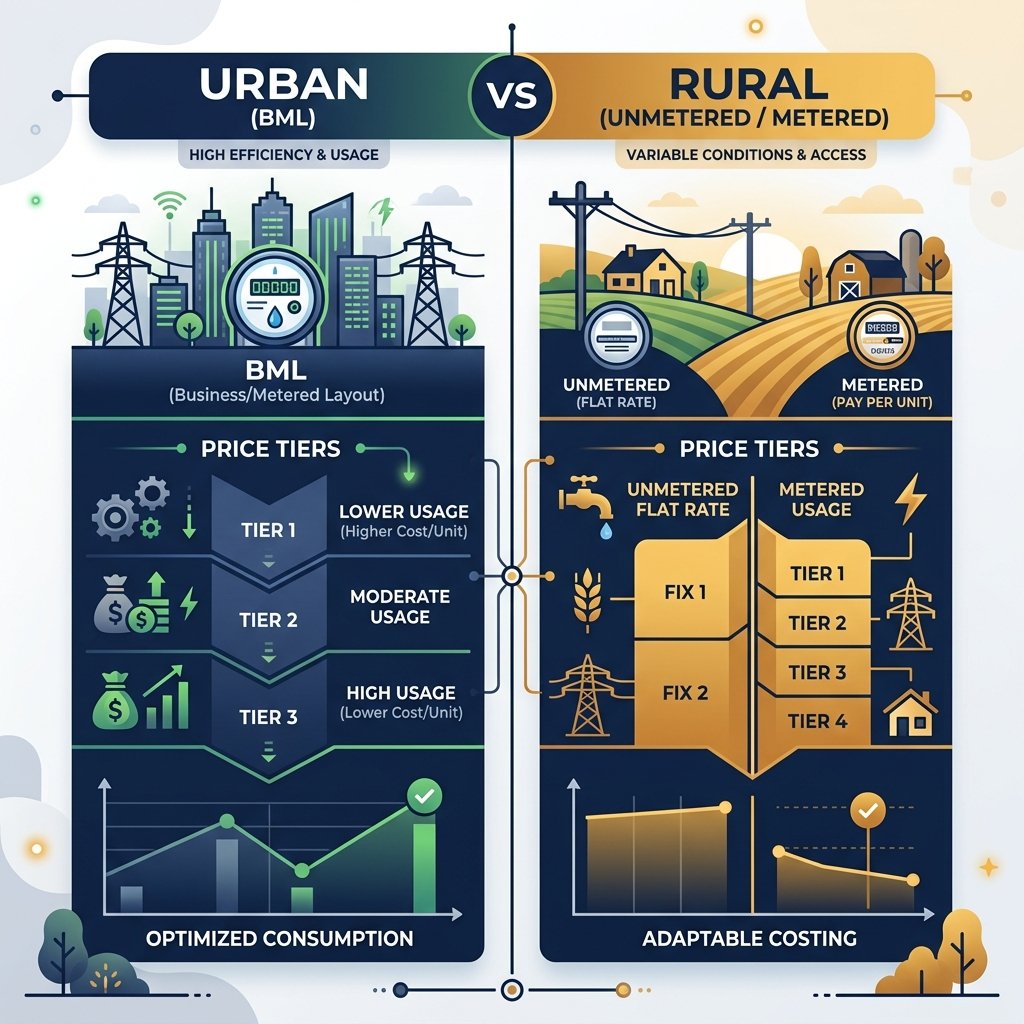
UPPCL Domestic Tariff Slabs (Rural Metered)
To support agricultural areas and villages, UPPCL provides heavily subsidized rates for rural connections that have a working meter installed.
| Consumption Slab | Base Energy Charge (per Unit) | Fixed Charge (per kW / month) |
|---|---|---|
| 0 to 100 Units | ₹3.35 | ₹90 / kW |
| 101 to 150 Units | ₹3.85 | |
| 151 to 300 Units | ₹5.00 | |
| Above 300 Units | ₹6.00 |
What about BPL (Below Poverty Line) Lifeline Consumers?
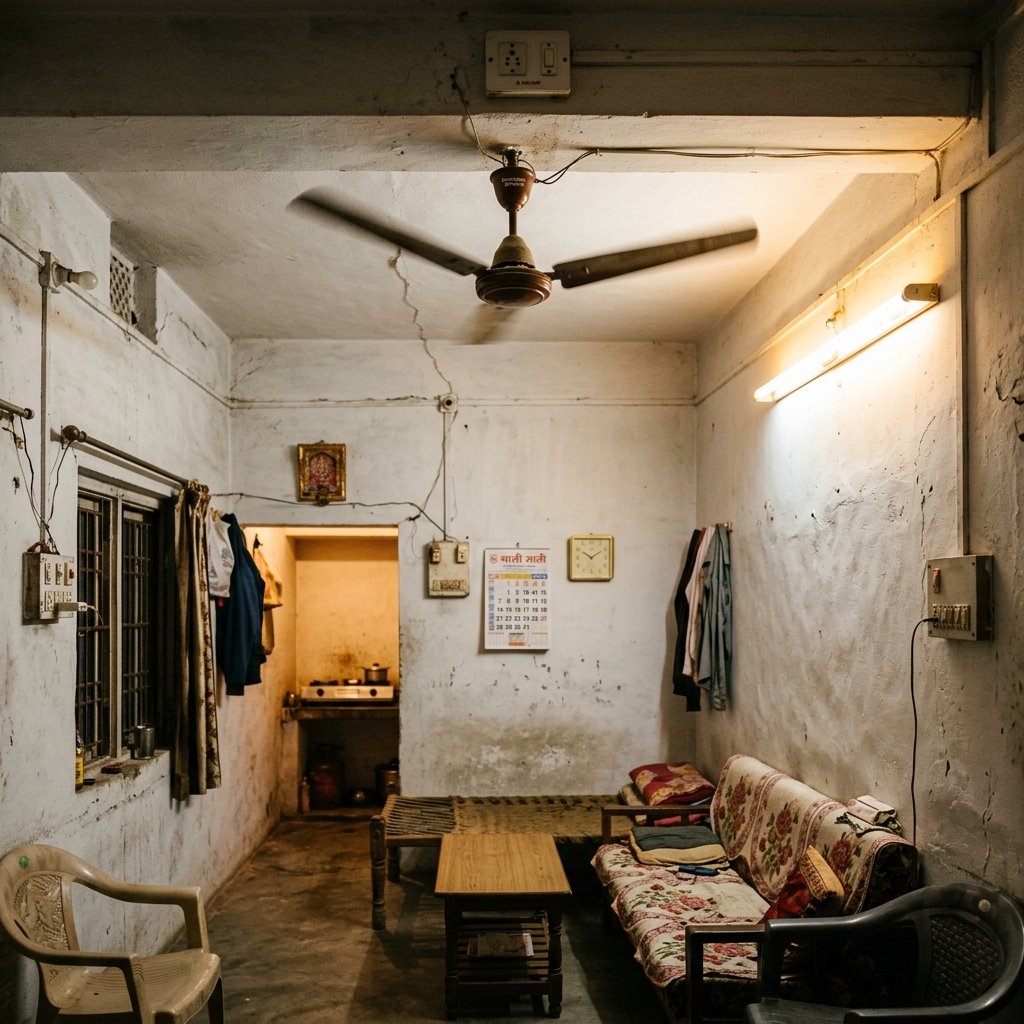
UPPCL provides a special lifeline tariff for extremely poor households. If a registered BPL consumer uses up to 100 units per month, they are charged a highly subsidized rate of ₹3.00 per unit with a minimal fixed charge of just ₹50 per kW. However, if they consume more than 100 units, they are bumped to the standard domestic tariff.
Understanding FPPAS in UP
A common complaint among UP consumers is that their bill slightly fluctuates every month even if their unit consumption remains exactly the same. This is due to the Fuel and Power Purchase Adjustment Surcharge (FPPAS).
When the state buys coal or power from the national grid at higher prices during peak summer, they pass a small percentage of this cost down to you. Occasionally, if power was cheaper, they provide a negative surcharge (a rebate), lowering your bill slightly.
Frequently Asked Questions
What is the cost of 1 unit of electricity in UP?
For urban domestic consumers (LMV-1) in UP, the base charge is ₹5.50 for the first 150 units. For rural metered consumers, it is significantly cheaper at ₹3.35 for the first 100 units.
Is there a fixed charge in UPPCL bills?
Yes. Urban domestic consumers pay a fixed charge of ₹110 per kW of sanctioned load every month, while rural metered consumers pay ₹90 per kW.
Are UP electricity rates increasing in 2026?
For the financial year 2026, the UPERC has largely retained the existing retail tariff levels, denying major hike proposals from UPPCL, meaning your base rates remain stable.
What is FPPAS in my UP electricity bill?
FPPAS stands for Fuel and Power Purchase Adjustment Surcharge. It is a fluctuating monthly charge added by UPPCL to adjust for the changing cost of coal and power generation.
How is a rural unmetered connection billed?
Rural unmetered connections (where a physical meter isn't present or functioning) are billed a flat monthly rate based on their sanctioned load (e.g., ₹500 per kW per month).
Calculate Your Exact UP Bill
Input your consumed units and our calculator will process the UPPCL slabs and fixed charges to give you an accurate estimate.
Use the Electricity Bill Calculator